Protect
Keep intact systems intact—habitat, water, movement, and the quiet conditions under which wild lives continue.
Ecology · Conservation · Field research
Wildermere works on long horizons: protecting living landscapes, restoring ecological function, and staying close enough to understand what endures.
Wildermere · 01
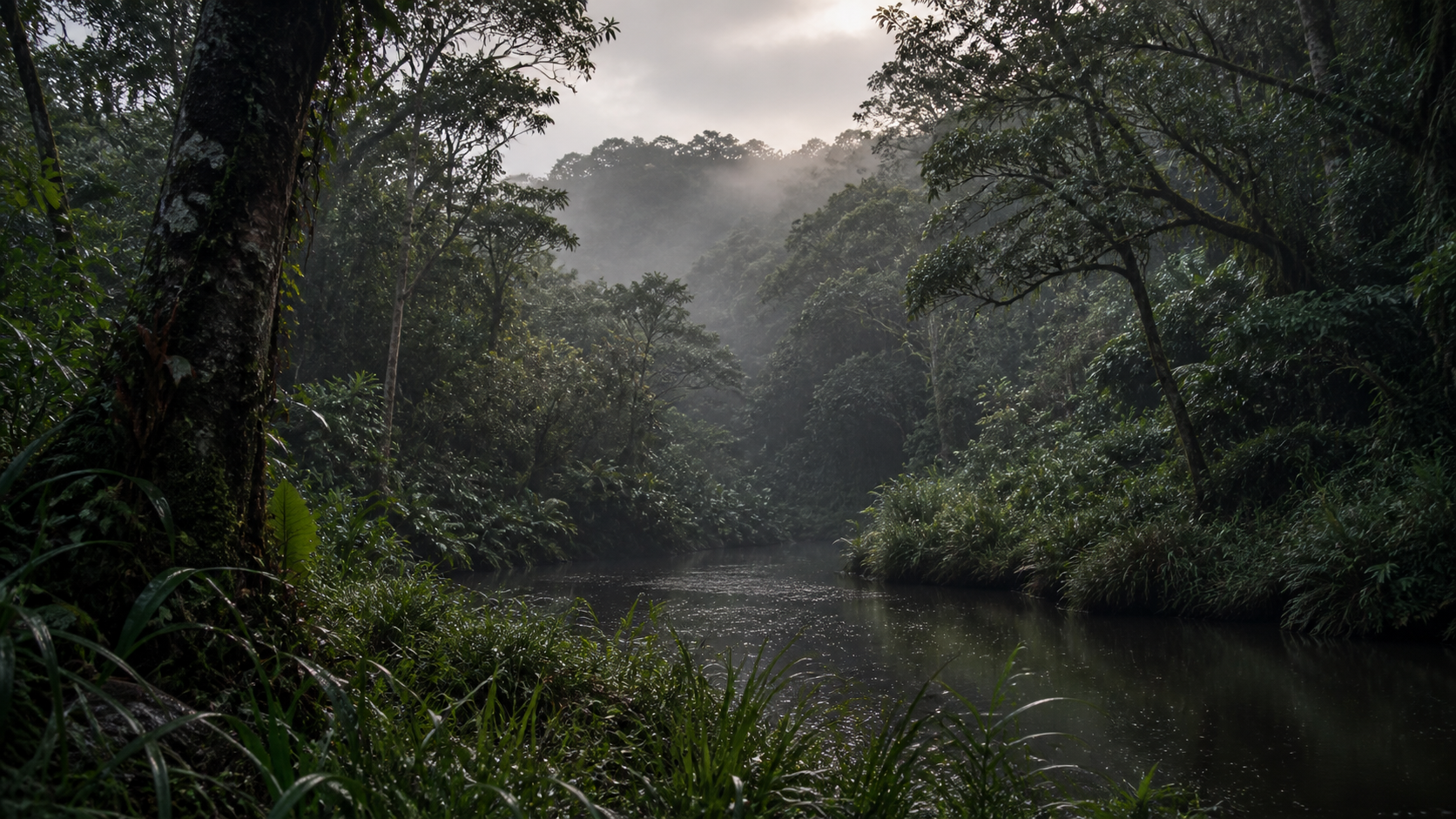
The living world is not scenery. It is the whole arrangement.
Ecology · Conservation01 Our purpose
We work where protection, restoration, and field knowledge can reinforce one another—patiently, locally, and for long enough to matter.
The measure is not how loudly a project begins, but whether soil, water, movement, and memory can keep doing their work after attention moves elsewhere.
02 The practice
Not separate programmes, but one continuous discipline: keep what is whole, mend what can recover, and learn from both.
Keep intact systems intact—habitat, water, movement, and the quiet conditions under which wild lives continue.
Return ecological function where it has been interrupted, then give recovery the time and room it actually needs.
Observe carefully, measure honestly, and let evidence—not optimism—shape what happens next.
To protect a place is to keep showing up after the urgency has passed.
04 The next conversation
Wildermere welcomes conversations with land stewards, ecologists, field partners, and people prepared to think beyond a season.
hello@wildermere.org